

AUTOMOBILANWENDUNGEN
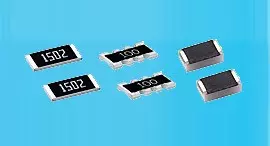
Dünnschicht-Präzisionswiderstand 0,01%, TC2ppm, Drahtbondable, Antikorrosiv, MELF. Stromsensoren, Metall,...
WeiterlesenViking TCFD Einführung.Viking Tech verfügt über Erfahrung in der Gestaltung innovativer Komponenten und bietet Unterstützung und Service für globale Kunden, die einen echten Fertigungspartner verlangen.Unser Ziel ist es, der führende Anbieter im Design, in der Herstellung und im Marketing von miniaturisierten, präzisen passiven Komponenten zu sein, die in der Automobil-, Industrie- und 3C-Elektronik eingesetzt werden.Viking wurde 1997 als führender Hersteller von Dünnschicht-Präzisionswiderständen, Dickschicht, Multilayer-Kondensatoren und Induktivitäten gegründet.Experte in der Herstellung von ultra-präzisen Widerständen, Toleranz bis zu 0,01 % und TCR 2 ppm in einer breiten Palette aller Gehäusegrößen.Mit fortschrittlichen Dünnschichttechnologien und wettbewerbsfähigen Kosten, Dünnschicht-Präzisionswiderstand, MELF-Widerstand, Drahtbondale, Anti-Korrosion, Dünnschicht-Array, auch Multifunktionen für dickschichtige allgemeine Widerstände und Arrays, Strommessung, Anti-Schwefel, Anti-Überspannung, Hochleistung, Hochspannung, Metall-Design mit ultra-niedrigem Ohm.Abgeschlossene Größe von 01005 bis 2512.TO220/247 Gehäuse bis zu 100W. Wir sind auch in der Lage, Dünnfilm-, Multilayer-, RF- und Leistungsinduktivitäten herzustellen, die für verschiedene drahtlose oder Kommunikationsanwendungen geeignet sind. Die Toleranz kann bis auf 0,5% gesenkt werden, und ab 13GHz ist SRF verfügbar.Zertifiziert mit dem TS16949/ ISO9001/ ISO14001 Hochstandard-Qualitätssicherungssystem und erfüllt AEC-Q200 zur Unterstützung von Automobilprodukten.
Als Reaktion auf die wachsenden Auswirkungen des Klimawandels überwacht Viking eng klimabezogene Risiken und Chancen.To proactively respond to evolving government policies and regulatory developments, the Company has incorporated climate-related risks into its enterprise risk management framework with reference to the recommendations of the Task Force on Climate-related Financial Disclosures (TCFD).Climate-related issues are identified and assessed across the four categories of transition risks—Policy and Legal, Technology, Market, and Reputation—to support the development of appropriate adaptation and mitigation measures, with the aim of minimizing potential impacts on the Company's operations and financial performance.
Viking monitors global climate change trends, draws on industry practices, and incorporates recommendations from external experts.Durch interne Diskussionen in Arbeitsgruppen bewertet und identifiziert das Unternehmen klimabezogene Themen, die erhebliche Risiken und Chancen darstellen.
Führen Sie eine Umfrage zu den ausgewählten Risiken und Chancen durch.Bewerten Sie die Wahrscheinlichkeit und potenzielle Auswirkungen jedes identifizierten Risikos und jeder Gelegenheit durch Feedback von Teamleitern und Mitgliedern.
Analysieren Sie die Umfrageergebnisse, bewerten Sie die identifizierten Risiken und Chancen und entwickeln Sie eine matrix für klima- und chancenbezogene Risiken.
Mit Bezug auf das Szenario der Internationalen Energieagentur (IEA) zu den Energie-Technologie-Perspektiven zur Begrenzung der globalen Erwärmung auf unter 2°C hat Viking vier wesentliche klima- und chancenbezogene Risiken und drei wesentliche klima- und chancenbezogene Chancen identifiziert.Die folgende Tabelle skizziert die potenziellen Auswirkungen und finanziellen Implikationen jedes identifizierten Risikos sowie die entsprechenden Reaktionsmaßnahmen und Maßnahmen, die ergriffen wurden, um klimabezogene Risiken anzugehen und damit verbundene Chancen zu nutzen.
| No. | Type of risk | Major climate risks | Potential financial impact | Response strategy | Corresponding chapters | ||
|---|---|---|---|---|---|---|---|
| Short-term | Mid-term | Long-term | |||||
| 1 | Transformation risks | ● Policy changes lead to increased operating costs | Existing high-carbon assets are replaced or scrapped ahead of schedule to comply with regulations, increasing the capital expenditure for carbon reduction measures, which results in increased operating costs. | Align with regulatory requirements to complete carbon inventory checks and implement energy-saving systems and measures. | Introduce water-saving and process water recycling technologies, and continuously implement energy-saving policies. | Improve energy efficiency and invest in green energy equipment. | 1.3 Financial performance 3.4 Energy management |
| 2 | Transformation risks | ● Responding to the impact of policy changes on enterprise development | Carbon emissions lead to increased environmental taxes and fees, and increasing operating costs that negatively impact business development. | Follow the government's roadmap for sustainable development of TWSE/TPEx listed companies, and improve greenhouse gas inventory procedures. | Implement greenhouse gas reduction actions. | Enhance green R&D and innovation | 3.4 Energy management |
| 3 | Transformation risks | ● Long transformation process results in the loss of market share | The success rate of R&D for new/alternative technologies that comply with the new law and the time to market for new products is not as expected, leading to a decline in customer loyalty and a negative impact on market share. | The product is 100% complying with international regulations on hazardous substances. | Focus on and respond to climate-related issues, enhance corporate image, and increase customer recognition. | Enhance corporate green image through transparency disclosure | 2.1 Product and technology innovation |
| 4 | Transformation risks | ● Expensive technology transformation | The cost of developing new technologies is too high, leading to financial pressure or shortfalls and creating a vicious cycle of funding shortages and the inability of successfully developing technologies. | Enhance corporate governance and establish a climate change response plan. | Continue to invest research and development resources in developing low-carbon products that conform to the circular economy. | Encourage suppliers to take action on climate change management. | 1.3 Financial performance |
Hinweis: In Bezug auf die „Repräsentativen Konzentrationspfade“ (RCPs) des Fünften Sachstandsberichts (AR5) des Zwischenstaatlichen Ausschusses für Klimaänderungen (IPCC) ist RCP2.6 ein Niedrigemissionsszenario, das die globale Erwärmung auf maximal 2°C (im Vergleich zu vorindustriellen Niveaus) begrenzt, das auch als 2°C-Szenario bekannt ist.
| No. | Type of risk | Major climate risks | Potential financial impact | Response strategy | Corresponding chapters | ||
|---|---|---|---|---|---|---|---|
| Short-term | Mid-term | Long-term | |||||
| 1 | Energy | ● Adopt energy management strategies and use green energy. | Reducing the demand for petrochemical energy leads to lower carbon emission costs, while increasing the environmental benefits and profitability of products. | Track energy usage and monitor greenhouse gas emissions from the factory area. | Implement greenhouse gas reduction action and improve energy efficiency. | Use green renewable energy. | 3.4 Energy management |
| 2 | Market | ● Revenue increased as a result of market recognition | Comply with policies and customer requirements for environmentally friendly products, expand market presence, and increase revenue. | The product is 100% complying with international regulations on hazardous substances. | Enhance corporate governance and form a corporate culture that values the importance of and takes action on climate-related issues. | Improve sustainability ratings, build a positive image, and increase market recognition. | 2.2 Marketing and service 2.3 Quality management |
| 3 | Product & service | ● New environmentally beneficial products are launched. | Develop environmentally friendly products, enhance a company's green image and stakeholder recognition, attract funding, and contribute to sustainable operation. | Invest R&D resources to develop environmentally friendly raw materials. | Participate in supplier evaluation that is carried out by procurement units to promote sustainable supply chain management. | Enhance green R&D and innovation | 1.2 Supply chain management 1.3 Financial performance 2.1 Product and technology innovation |
Dünnschicht-Präzisionswiderstand 0,01%, TC2ppm, Drahtbondable, Antikorrosiv, MELF. Stromsensoren, Metall,...
Weiterlesen
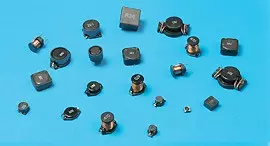
Keramische Hochfrequenz-Chip-Induktoren, klein bis 01005. Dünnschicht-, Mehrschicht-, Drahtgewickelte-,...
Weiterlesen
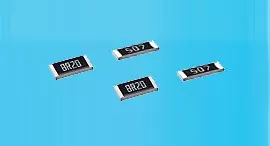
Multilayer-Keramikkondensatoren bieten hohe Spannung, hohe Frequenz, niedrigen Geräuschpegel, hohe Q, niedrigen...
Weiterlesen