

APPLICAZIONI AUTOMOTIVE
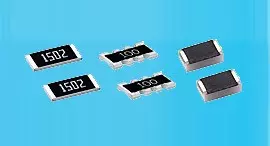
Resistore di precisione a film sottile 0,01%, TC2ppm, wirebondale, anti-corrosivo, MELF. Rilevamento...
Leggi di piùViking TCFD Introduzione.Viking Tech ha esperienza nella progettazione di componenti innovativi, offrendo supporto e servizio ai clienti globali che richiedono un partner di produzione genuino.Il nostro obiettivo è essere il leader nella progettazione, produzione e commercializzazione di componenti passivi miniaturizzati e di precisione utilizzati in tutte le applicazioni elettroniche Automotive, Industrial e 3C.Viking è stata fondata nel 1997 come leader nella produzione di resistori a film sottile di precisione, resistori a film spesso, condensatori multistrato e induttori.Esperto nella produzione di resistori ultra-precisi, con tolleranza fino allo 0,01% e TCR di 2 ppm in un'ampia gamma di tutte le dimensioni dei pacchetti.Con tecnologie avanzate a film sottile e costi competitivi, resistore di precisione a film sottile, resistore MELF, wirebondale, Anti-Crossive, Array a film sottile, anche multi-funzioni per resistori a film spesso di uso generale e Array, rilevamento di corrente, Anti-Sulfur, Anti-Surge, alta potenza, alta tensione, design metallico a ultra bassa resistenza.Dimensione completata da 01005 a 2512.Pacchetto TO220/247 fino a 100W Siamo anche in grado di realizzare induttori a film sottile, multistrato, RF e di potenza, che sono adatti per varie applicazioni wireless o di comunicazione, la tolleranza può scendere fino allo 0,5% e 13GHz in poi di SRF.Certificato con il sistema di assicurazione della qualità ad alta standard TS16949/ ISO9001/ ISO14001 e conforme all'AEC-Q200 per supportare prodotti di grado automobilistico.
In risposta ai crescenti impatti dei cambiamenti climatici, Viking monitora da vicino i rischi e le opportunità legate al clima.To proactively respond to evolving government policies and regulatory developments, the Company has incorporated climate-related risks into its enterprise risk management framework with reference to the recommendations of the Task Force on Climate-related Financial Disclosures (TCFD).Climate-related issues are identified and assessed across the four categories of transition risks—Policy and Legal, Technology, Market, and Reputation—to support the development of appropriate adaptation and mitigation measures, with the aim of minimizing potential impacts on the Company's operations and financial performance.
Viking monitors global climate change trends, draws on industry practices, and incorporates recommendations from external experts.Attraverso discussioni di gruppi di lavoro interni, l'Azienda valuta e identifica questioni legate al clima che presentano rischi e opportunità significativi.
Condurre un'indagine tramite questionario sui rischi e le opportunità selezionati.Valuta la probabilità e l'impatto potenziale di ciascun rischio e opportunità identificati attraverso il feedback dei supervisori e dei membri del team.
Analizza i risultati del sondaggio, classifica i rischi e le opportunità identificati e sviluppa una matrice di rischio e opportunità legata al clima.
Con riferimento allo scenario dell'International Energy Agency (IEA) Energy Technology Perspectives per limitare il riscaldamento globale a meno di 2°C, Viking ha identificato quattro rischi climatici materiali e tre opportunità climatiche materiali.La seguente tabella delinea i potenziali impatti e le implicazioni finanziarie di ciascun rischio identificato, nonché le misure di risposta e le azioni adottate per affrontare i rischi legati al clima e cogliere le opportunità correlate.
| No. | Type of risk | Major climate risks | Potential financial impact | Response strategy | Corresponding chapters | ||
|---|---|---|---|---|---|---|---|
| Short-term | Mid-term | Long-term | |||||
| 1 | Transformation risks | ● Policy changes lead to increased operating costs | Existing high-carbon assets are replaced or scrapped ahead of schedule to comply with regulations, increasing the capital expenditure for carbon reduction measures, which results in increased operating costs. | Align with regulatory requirements to complete carbon inventory checks and implement energy-saving systems and measures. | Introduce water-saving and process water recycling technologies, and continuously implement energy-saving policies. | Improve energy efficiency and invest in green energy equipment. | 1.3 Financial performance 3.4 Energy management |
| 2 | Transformation risks | ● Responding to the impact of policy changes on enterprise development | Carbon emissions lead to increased environmental taxes and fees, and increasing operating costs that negatively impact business development. | Follow the government's roadmap for sustainable development of TWSE/TPEx listed companies, and improve greenhouse gas inventory procedures. | Implement greenhouse gas reduction actions. | Enhance green R&D and innovation | 3.4 Energy management |
| 3 | Transformation risks | ● Long transformation process results in the loss of market share | The success rate of R&D for new/alternative technologies that comply with the new law and the time to market for new products is not as expected, leading to a decline in customer loyalty and a negative impact on market share. | The product is 100% complying with international regulations on hazardous substances. | Focus on and respond to climate-related issues, enhance corporate image, and increase customer recognition. | Enhance corporate green image through transparency disclosure | 2.1 Product and technology innovation |
| 4 | Transformation risks | ● Expensive technology transformation | The cost of developing new technologies is too high, leading to financial pressure or shortfalls and creating a vicious cycle of funding shortages and the inability of successfully developing technologies. | Enhance corporate governance and establish a climate change response plan. | Continue to invest research and development resources in developing low-carbon products that conform to the circular economy. | Encourage suppliers to take action on climate change management. | 1.3 Financial performance |
Nota: Riferendosi ai “Percorsi di Concentratione Rappresentativa” (RCP) del Quinto Rapporto Scientifico (AR5) del Panel Intergovernativo sul Cambiamento Climatico (IPCC), RCP2.6 è uno scenario a basse emissioni che limita l'ampiezza del riscaldamento globale a 2°C (rispetto ai livelli pre-industriali), noto anche come scenario dei 2°C.
| No. | Type of risk | Major climate risks | Potential financial impact | Response strategy | Corresponding chapters | ||
|---|---|---|---|---|---|---|---|
| Short-term | Mid-term | Long-term | |||||
| 1 | Energy | ● Adopt energy management strategies and use green energy. | Reducing the demand for petrochemical energy leads to lower carbon emission costs, while increasing the environmental benefits and profitability of products. | Track energy usage and monitor greenhouse gas emissions from the factory area. | Implement greenhouse gas reduction action and improve energy efficiency. | Use green renewable energy. | 3.4 Energy management |
| 2 | Market | ● Revenue increased as a result of market recognition | Comply with policies and customer requirements for environmentally friendly products, expand market presence, and increase revenue. | The product is 100% complying with international regulations on hazardous substances. | Enhance corporate governance and form a corporate culture that values the importance of and takes action on climate-related issues. | Improve sustainability ratings, build a positive image, and increase market recognition. | 2.2 Marketing and service 2.3 Quality management |
| 3 | Product & service | ● New environmentally beneficial products are launched. | Develop environmentally friendly products, enhance a company's green image and stakeholder recognition, attract funding, and contribute to sustainable operation. | Invest R&D resources to develop environmentally friendly raw materials. | Participate in supplier evaluation that is carried out by procurement units to promote sustainable supply chain management. | Enhance green R&D and innovation | 1.2 Supply chain management 1.3 Financial performance 2.1 Product and technology innovation |
Resistore di precisione a film sottile 0,01%, TC2ppm, wirebondale, anti-corrosivo, MELF. Rilevamento...
Leggi di più
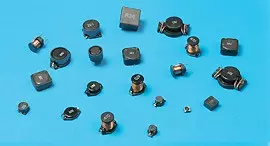
Induttori a chip ceramici ad alta frequenza, dimensioni ridotte fino a 01005. Induttore a film sottile,...
Leggi di più
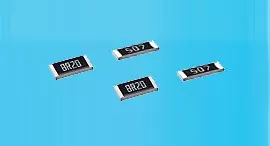
Il condensatore ceramico multistrato offre alta tensione, alta frequenza, basso rumore, alta Q, basso...
Leggi di più